Jozwik Lab
We want to understand how the brain processes information about the visual world, makes meaning of what we see, and how visual and semantic perception of the world may differ across people, including those with mental health conditions. The lab’s research has focused on probing specific visual dimensions in the context of face, animacy, and object representations more generally.
We study visuo-semantic cognition combining cognitive science, neuroscience, and computational modelling. We collect and analyse human behavioural (including virtual/augmented/mixed reality), physiological, and brain imaging (fMRI and M/EEG) data. We also analyse macaque electrophysiology data obtained through collaborations and perform cross-species comparisons. We use machine learning techniques for neural data analysis and computational modelling with a special interest in biologically-inspired deep learning and AI models (NeuroAI). The computational models we work with include vision deep learning models (including topographical, recurrent, or developmentally inspired models), multimodal vision and language models, and Large Language Models.
We are also starting to use non-invasive neurostimulation – Focused Ultrasound Stimulation – FUS to understand the causal role of brain regions involved in visual and semantic perception. We are also exploring the use of generative AI and mixed reality for exposure therapy.
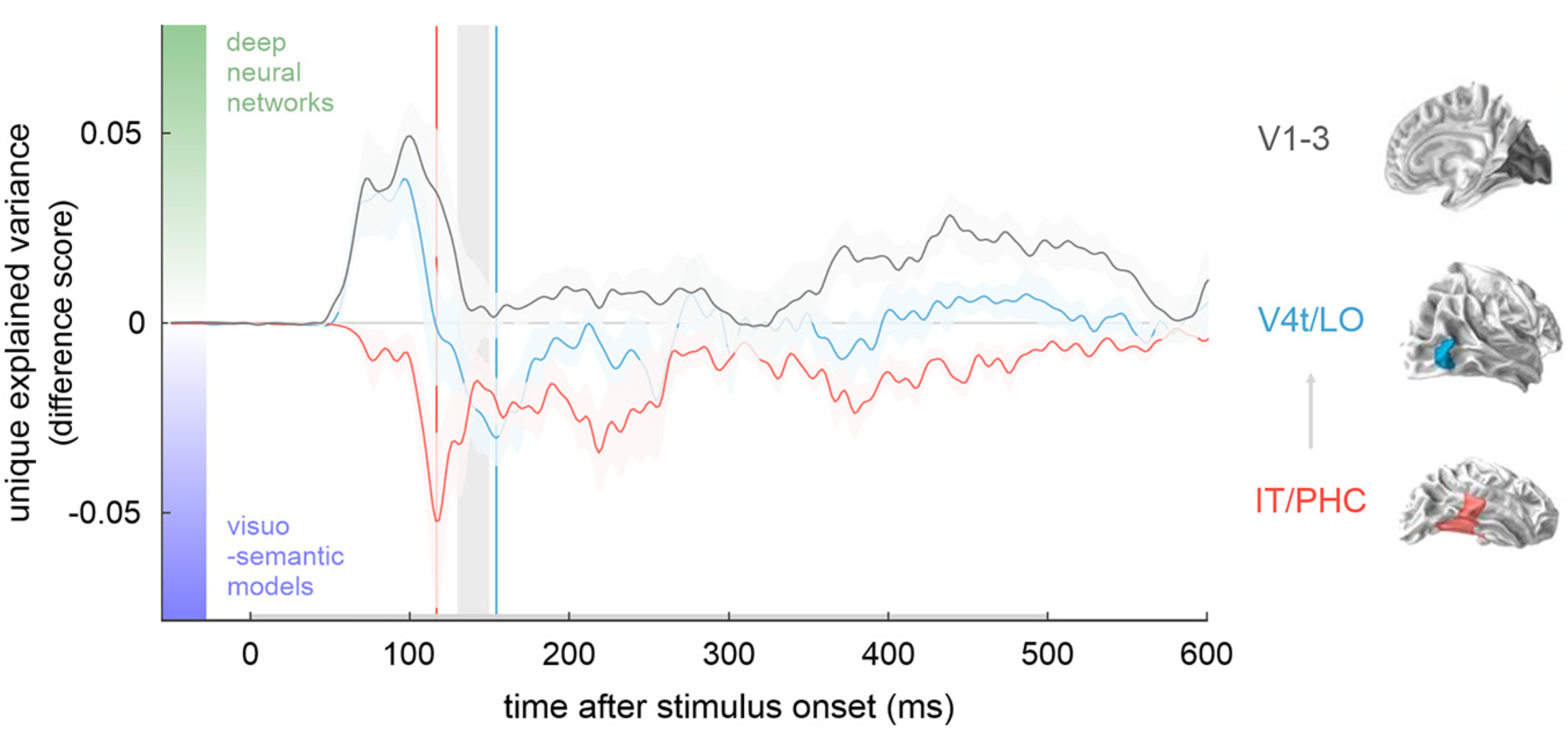
What do behaviour and computational models miss about how the brain processes what we see?
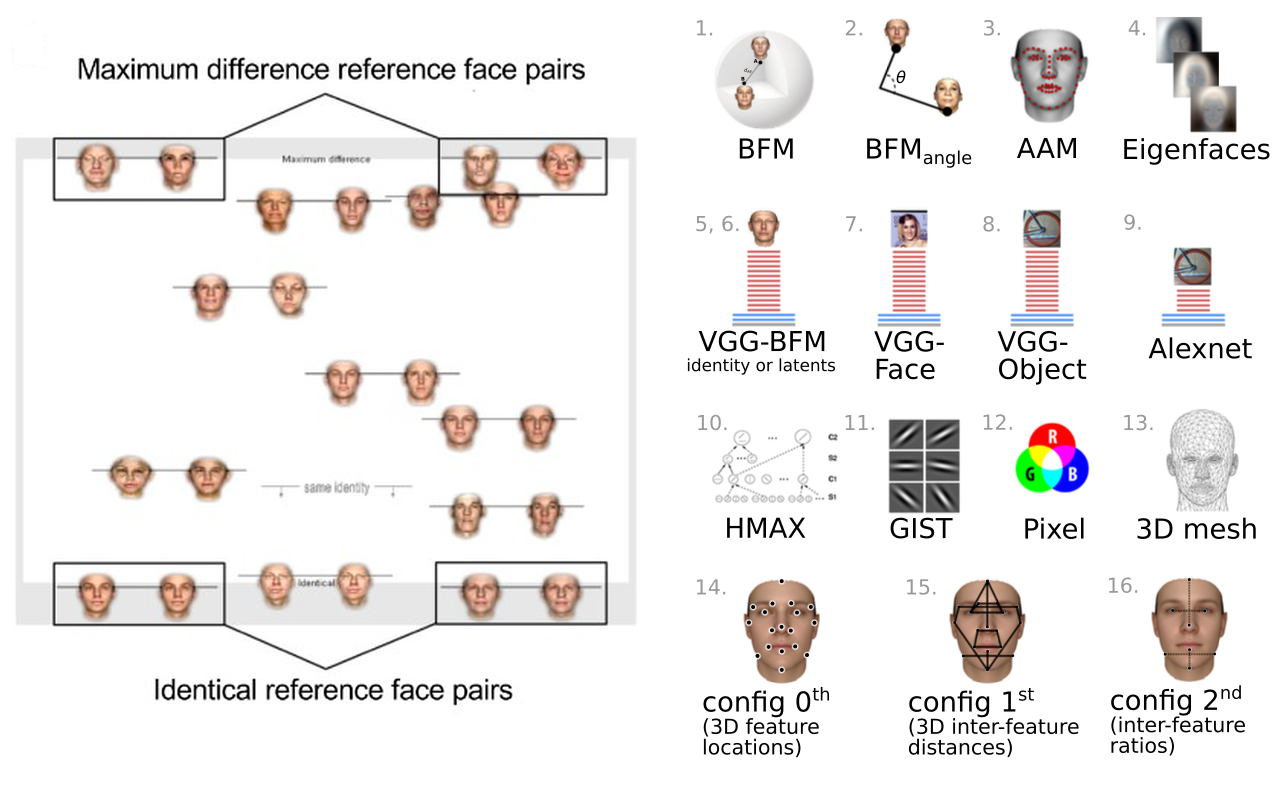
To what extent can models guide experiments and predict which faces we consider more similar?
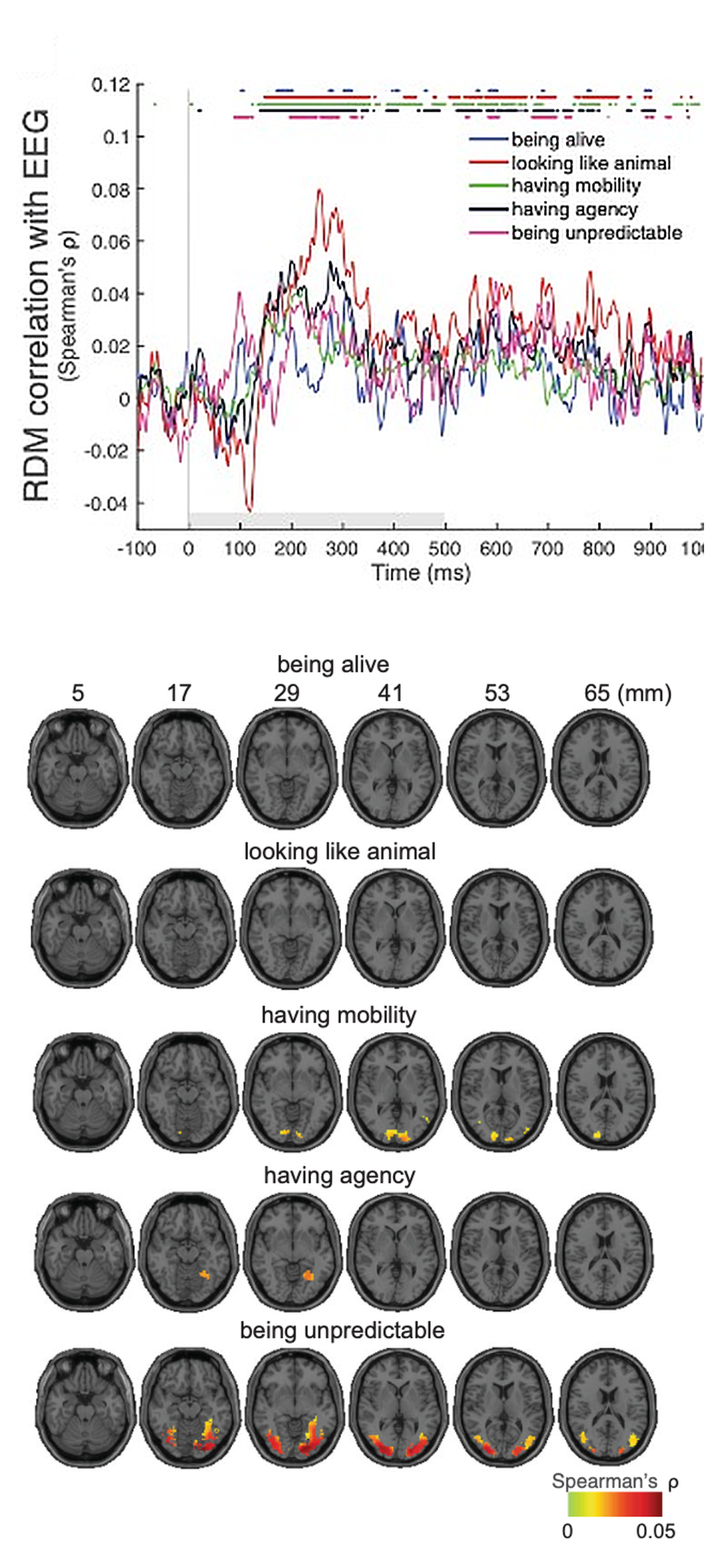
Is “animacy” one dimension in the brain — or many, and where and when is it represented?
Open questions
How does the brain represent animacy when we interact with people and objects?
How does the visual perception change when we are immersed in the environment?
To what exent are visual and semantic representations different in mental health conditions?
Your question
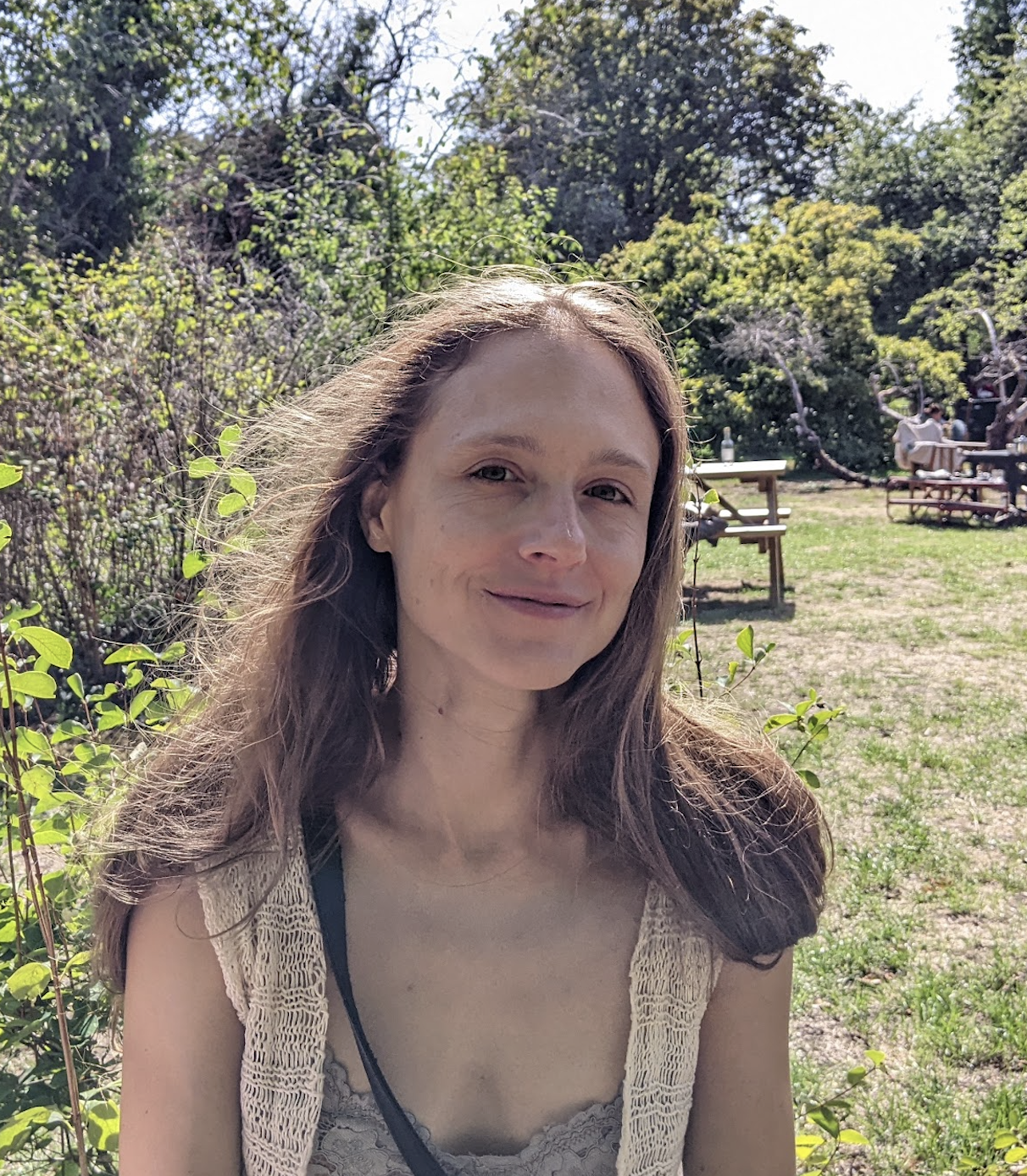
Kamila Maria Jóźwik
Assistant Research Professor and Royal Society University Research Fellow
Interests BioI was a Sir Henry Wellcome Fellow at MIT, working with Jim DiCarlo and Nancy Kanwisher, and a Humboldt Fellow in Berlin, working with Radek Cichy. During my PhD time in Cambridge and afterwards, I worked with Niko Kriegeskorte and Marieke Mur (in addition to my genomics research with Jason Carroll).
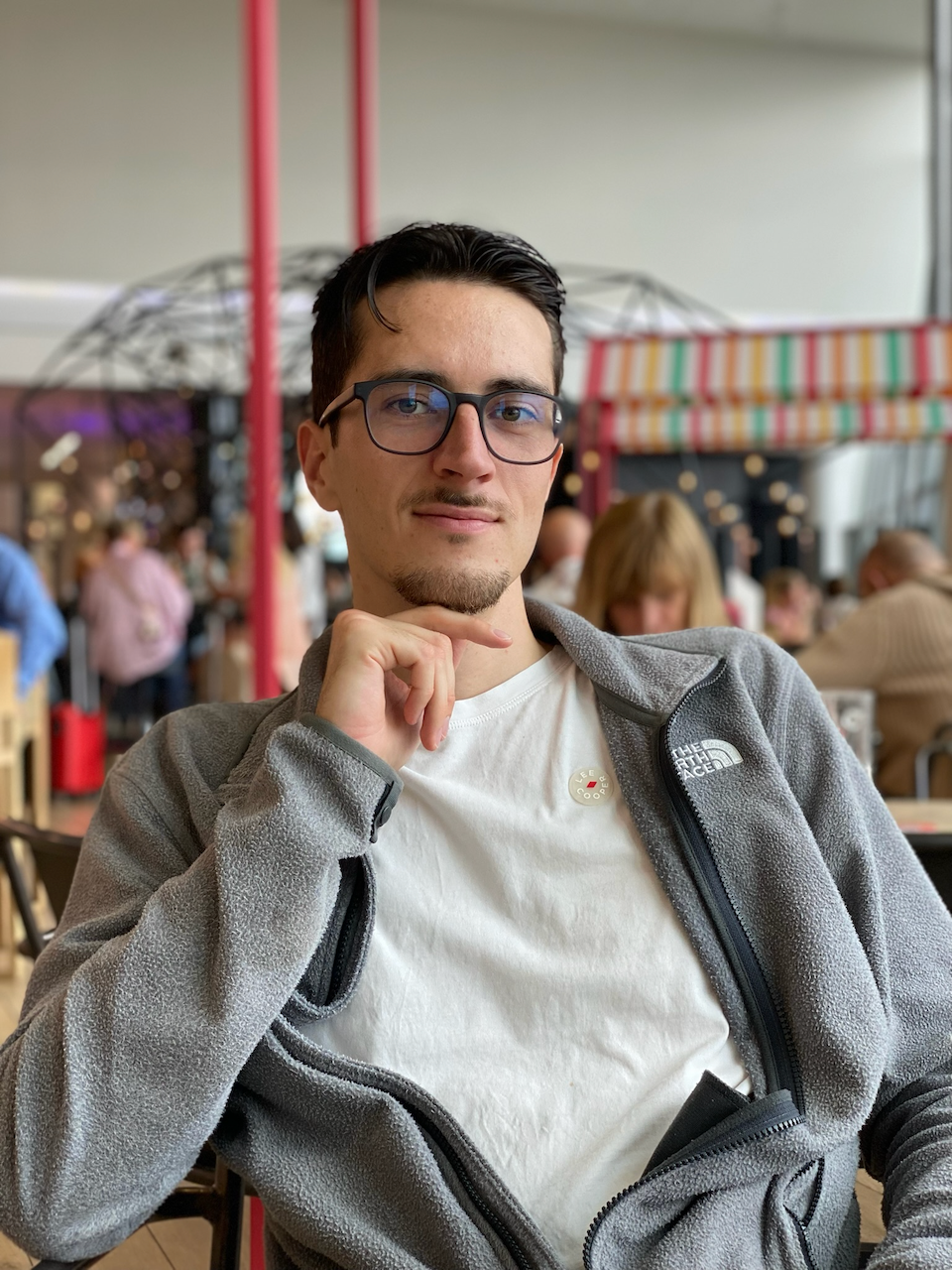
Tim Maniquet
Postdoctoral researcher (start in November 2026)
InterestsI find motivation in trying to tie together the vastly complex patterns of brain activity we record with the equally complex behaviour of humans. In the lab, I will use a combination of neuroimaging and computational modelling techniques to study human visual cognition. My focus will be on exploring the geometry of cortical selectivity in visual cortex, to understand how the brain constructs the representational spaces that enable our interaction with the world.
BioI am finishing my PhD under the supervision of Prof. Hans Op de Beeck at KU Leuven, where I worked on the role of recurrent processing in the recognition of visually challenging objects using fMRI and EEG.
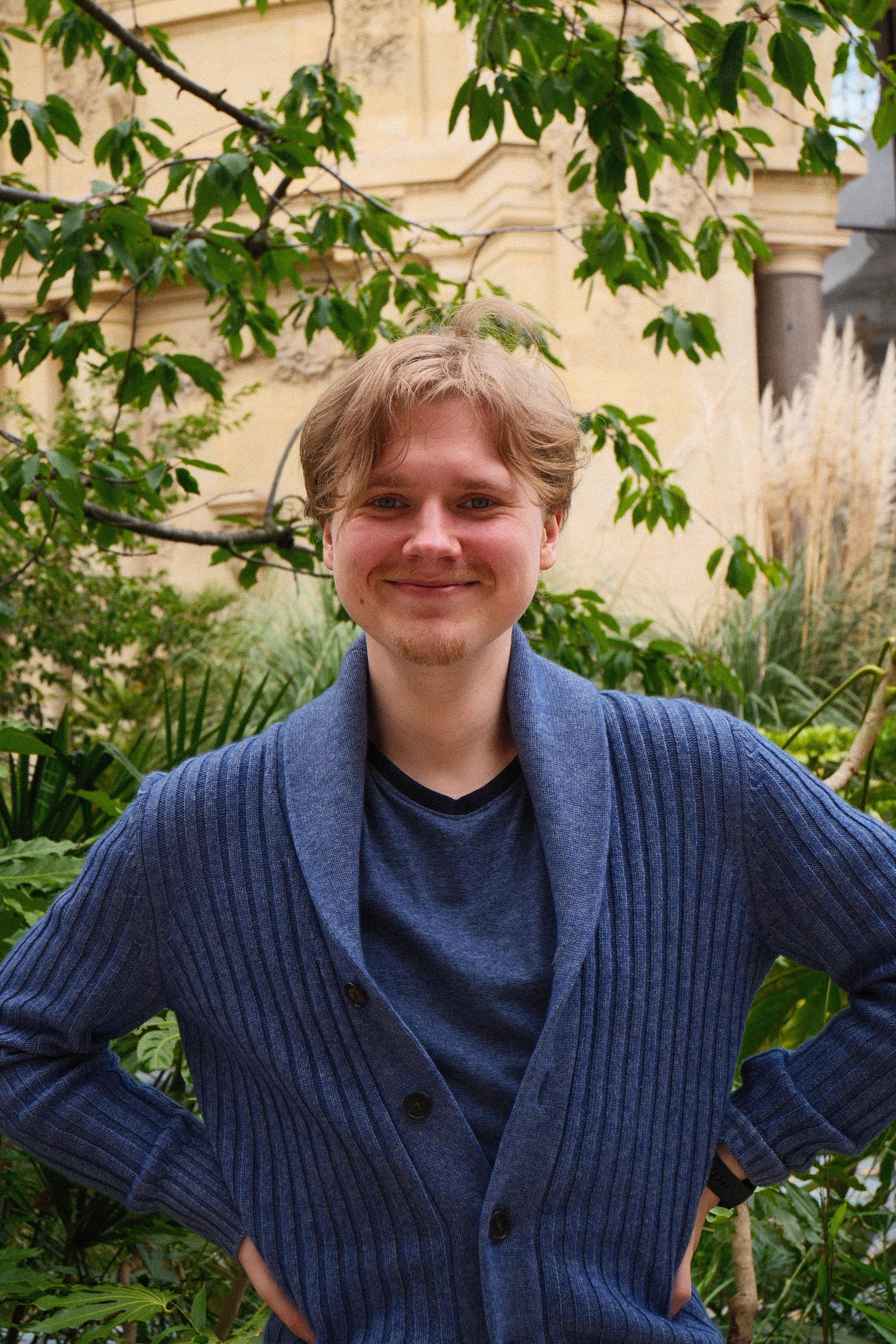
Jacek Podlaski
PhD student (start in October 2026)
InterestsMy research interest lies in combining functional imaging (fMRI, MEG, mobile EEG) and naturalistic visual stimuli (videos, VR) to compare visuo-semantic representations in brains and AI, with an emphasis on action-related semantics.
BioI am currently completing my MSc in Advanced Neuroimaging at UCL, with a thesis on verifying MEG source reconstruction accuracy with anatomical distortion and Hidden Markov Models, supervised by Prof. Gareth Barnes. I graduated with a BA in Neuroscience from St John’s College, Oxford in 2024, where in Prof. Armin Lak’s group I studied dopaminergic and prefrontal representations of learning during visual decision-making in mice.
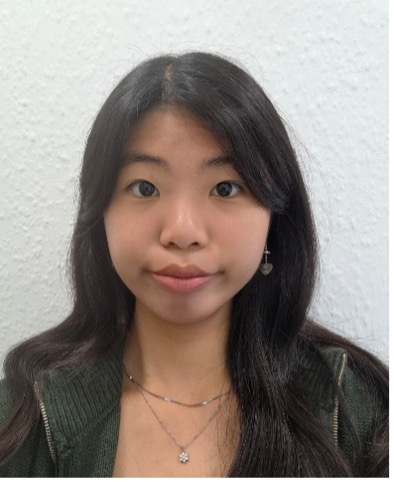
Annabel Man
MPhil student in Human-Inspired Artificial Intelligence
InterestsI am interested in the application of artificial intelligence to healthcare, with a particular focus on mental health. My MPhil dissertation, supervised by Dr. Kamila Maria Jozwik, examines how generative AI can be used to deliver personalised, controlled exposure therapy for phobias and related anxiety conditions, evaluated across clinical and non-clinical populations in an online behavioural study. More broadly, I am interested in how AI systems can responsibly support clinicians and patients, especially in improving the accessibility and personalisation of mental health interventions while remaining grounded in clinical evidence and safety.
BioMy research interest in AI for healthcare began with a BEng in Biochemical Engineering, with a minor in Data Science, followed by an MPhil in Human-Inspired Artificial Intelligence at the University of Cambridge, supervised by Dr. Kamila Maria Jozwik. This path has shaped my research interest in applying AI to healthcare, especially mental health.
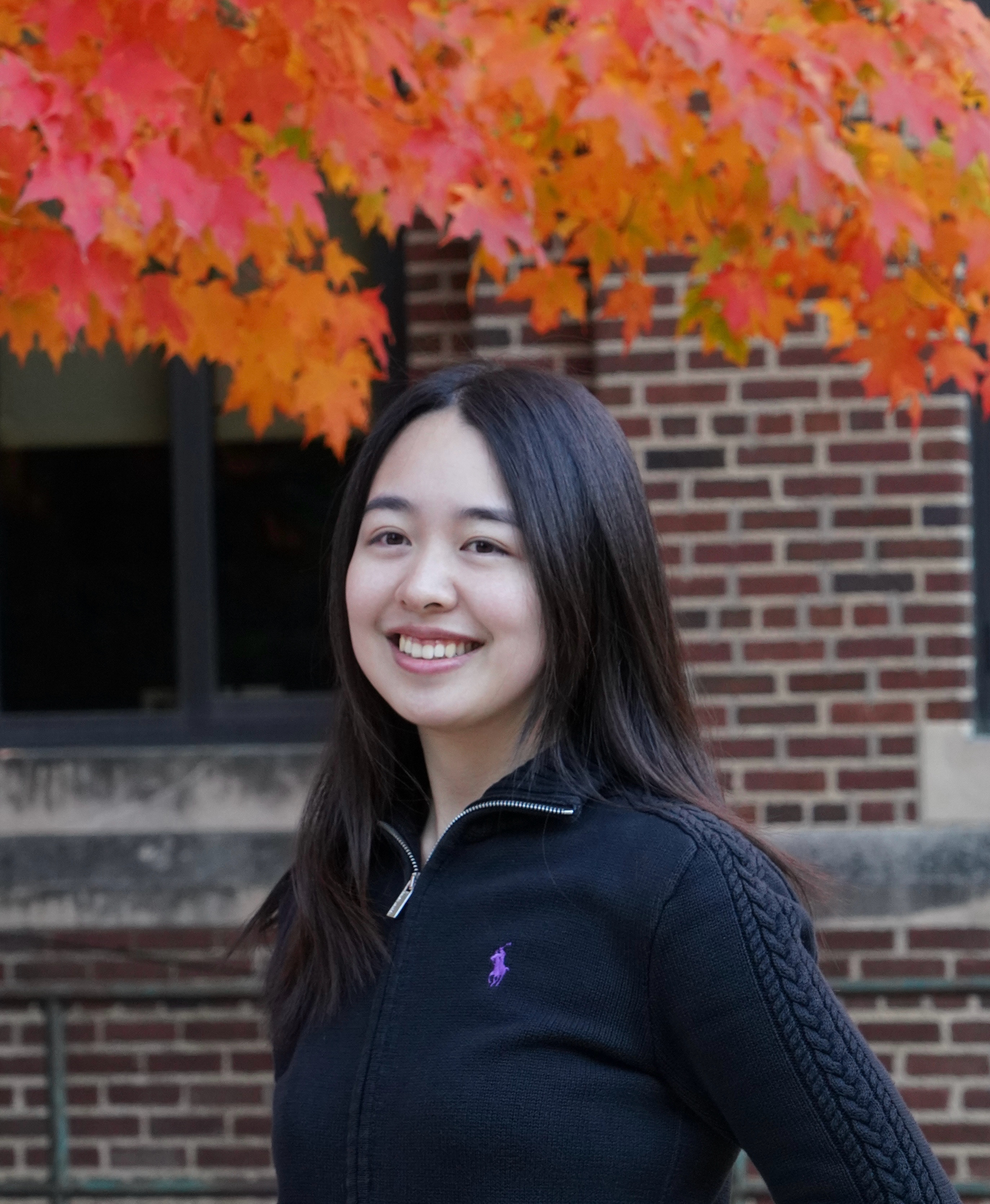
Quan Zou
MPhil student in Cognitive Neuroscience/
InterestsI am broadly interested in using computational models to study how the brain represents visual information. My MPhil project investigates whether visual perception engages a shared representational space across vision and language. Specifically, I examine how well representations of visual stimuli and their language descriptions, derived from human similarity judgments and deep neural networks, align with visually evoked brain responses across different stimulus types (static objects, static scenes, and dynamic visual events).
BioI am an MPhil student in Cognitive Neuroscience. Before joining the lab, I received a BS in Biopsychology, Cognition, and Neuroscience from the University of Michigan, where I completed an honors thesis on neural and linguistic alignment in conversation. Outside of research, I enjoy hiking and watching movies.

Yara Jamalaldeen
Master student in Advanced Computing
InterestsMy current research extends my work experience into the intersection of computational neuroscience and artificial intelligence. Using data-driven decomposition of large-scale brain imaging data (fMRI), to explore the neural organisation of human visual and semantic cognition, extracting interpretable representational dimensions. This work assesses the generalisability of these dimensions across different visual stimulus sets and their relationship to human behavioural judgements and representations learned by deep neural network models.
BioUpon completing a Bachelor's degree in Software Engineering from King Saud University, I joined Saudi Aramco in 2019, working in High-Performance Computing Applications, specialising in seismic imaging and AI applications, leveraging world-leading supercomputers and GPU architectures. Currently pursuing an MSc in Advanced Computing at Imperial College London and conducting research with the University of Cambridge in computational neuroscience.
Mohaned Abdulmahmood
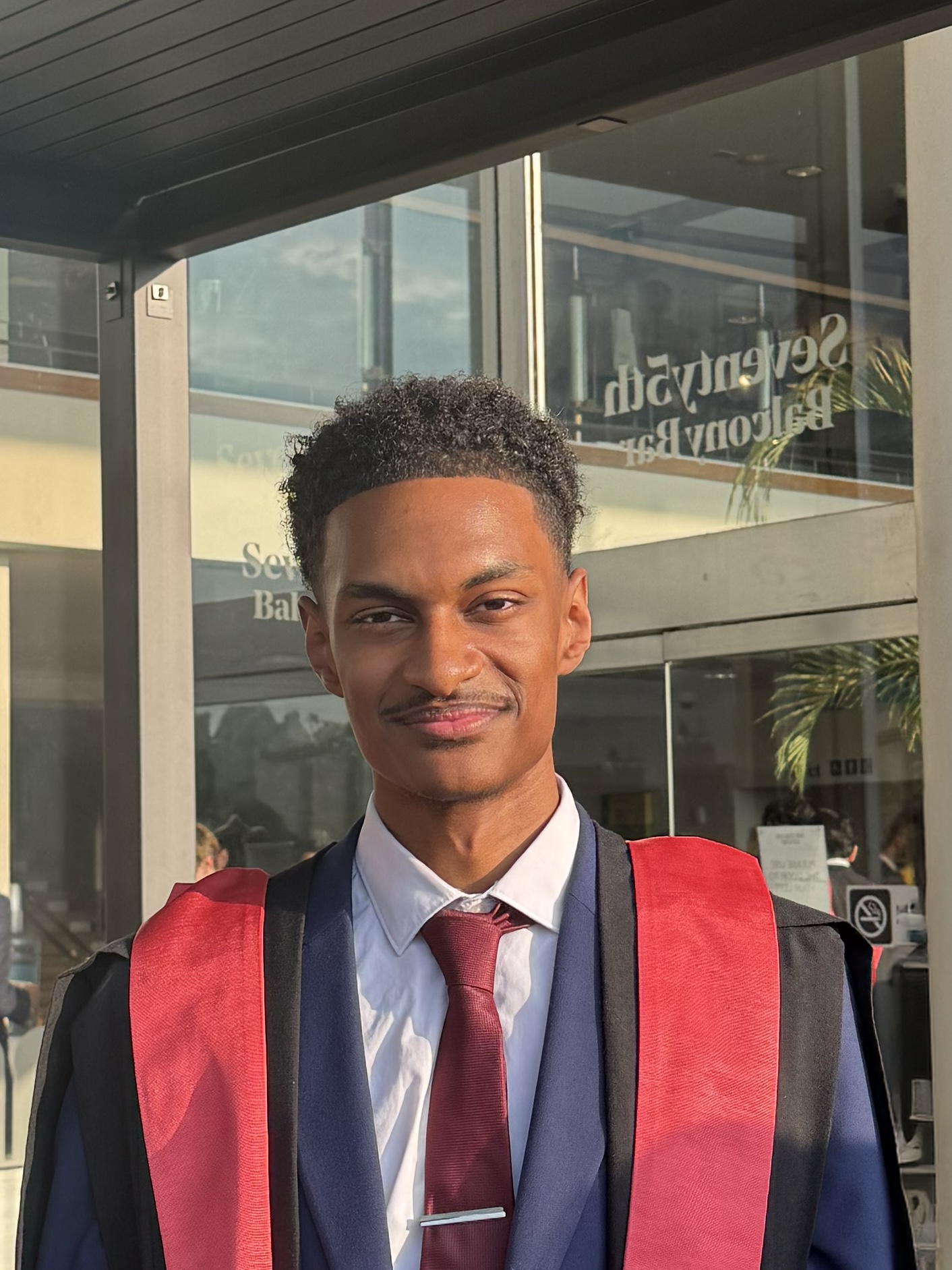
Master student in Advanced Computing
InterestsI am very interested in the problems which Generative AI in Mixed Reality (MR) can solve, given it is a very underexplored space. This stems from my undergraduate project, Virtual Reality (VR) Audiobook, which transformed story text by generating complex, panoramic visuals on demand to help readers with ADHD visualise stories immersively in VR as they listened. My Master’s research builds on this by exploring generative MR for exposure therapy, producing controllable stimuli on demand tailored to individual phobias, tackling the effort and limitations of in-vivo exposure and reliance on pre-built content.
BioI am completing my Master’s in Advanced Computing at Imperial College London, researching the intersection of Generative AI and Mixed Reality for exposure therapy. I hold a Bachelor’s in Computer Science from King’s College London, where I received the Alan Fairbourn Memorial Prize for the department’s most meritorious final-year project.
Temi Messmer
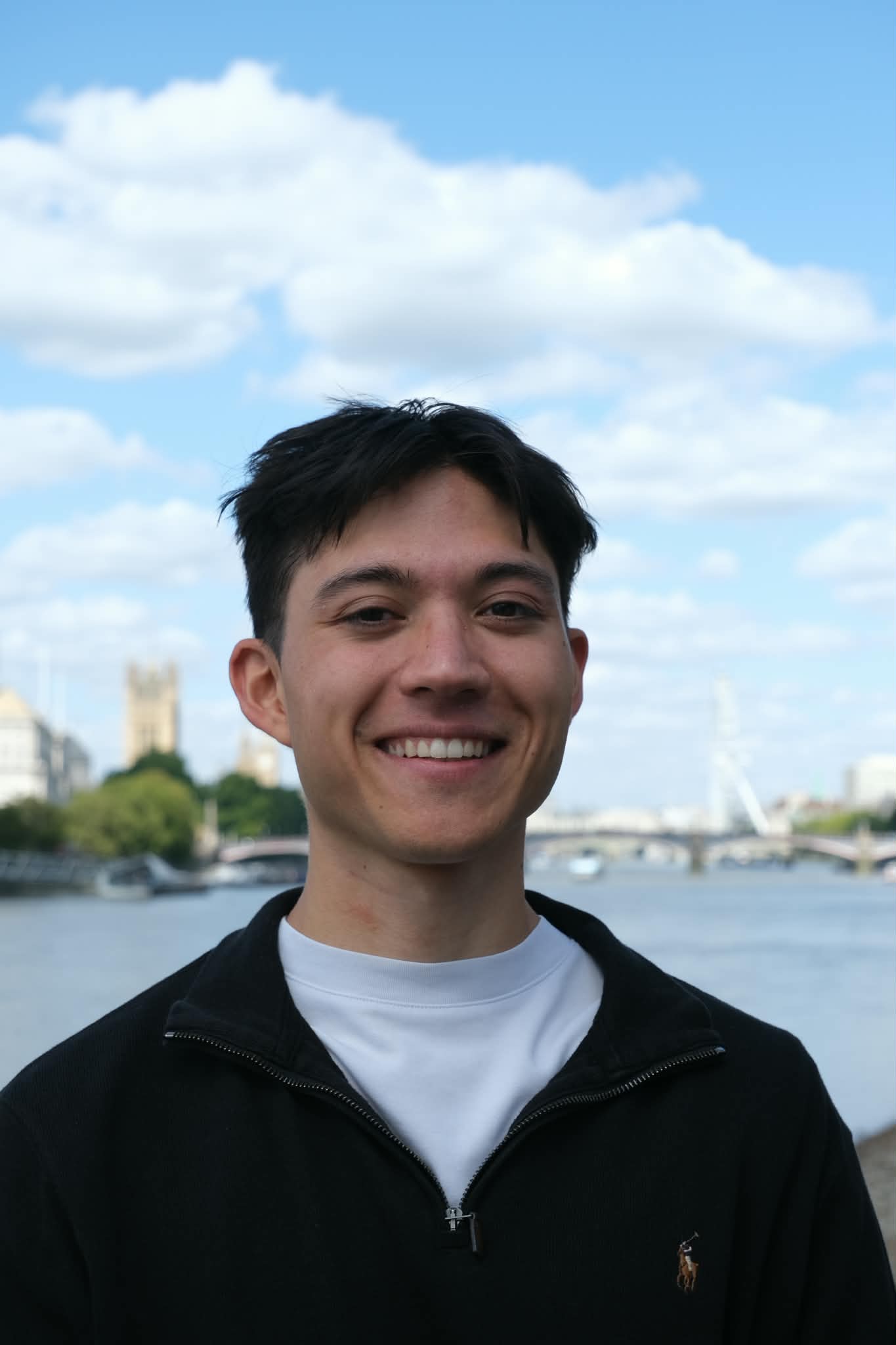
Master student in Advanced Computing
InterestsMy interests sit at the intersection of computer science and neuroscience. I am passionate about utilising machine learning to better understand human brain function with the goal of helping addressing disabilities, and leveraging biological mechanisms to push the fundamental limits of artificial intelligence. My MSc thesis focuses on topological models, specifically investigating how different structural constraints influence the functional organisation of artificial neural networks. By directly comparing the representations within these computational models to human brain imaging (fMRI) data, I aim to uncover the shared principles underlying both biological visual organisation and artificial intelligence.
BioI am currently completing my Master's in Computer Science at Imperial College London, having earned my Bachelor's in Computer Science at EPFL, Switzerland. Before focusing on computational neuroscience, my research background spanned computer vision and reinforcement learning (see my GitHub: https://github.com/temi-ro).
The Jozwik lab is based at the Cambridge Mind and Brain Institute (previously known as the MRC Cognition and Brain Sciences Unit), at the University of Cambridge, with links to broader Cambridge (e.g., Cambridge NeuroWorks powered by Advanced Research and Invention Agency) and international scientific ecosystems (e.g., the Center for Brains, Minds & Machines, now MIT Quest for Intelligence).
The CMBI has an on-site 3T fMRI scanner (with access to a 7T fMRI scanner within cycling distance), an MEG scanner, EEG systems, Focused Ultrasound, Transcranial Magnetic Stimulation, and dedicated methods and computing support staff. We also have a virtual/augmented/mixed reality headset and access to physiology monitoring (BioRadio) and mobile EEG (through collaboration).
The institute runs two MPhil Programs: Cognitive Neuroscience and NeuroAI, and postdoctoral researchers and PhD students have the opportunity to supervise MPhil students from these and other MPhil programmes. Postdoctoral researchers are supported in applying for postdoctoral fellowships and PhD students are supported in applying for PhD scholarships.
The lab values commitment to rigorous, open science, supports diversity in all its meanings, is family-friendly, and encourages curiosity in a supportive, multidisciplinary, and international research environment.
Journal publications
- Jozwik, K.M., Kietzmann, T.C., Cichy, R.M., Kriegeskorte, N., Mur, M. (2023). “Deep neural networks and semantic models explain complementary components of human ventral-stream representational dynamics” Journal of Neuroscience PDF
- Jozwik, K.M.*, O’Keeffe*, J., Storrs*, K., Guo, W., Golan, T., Kriegeskorte, N. (2022) (*contributed equally). “Face dissimilarity judgements are predicted by representational distance in morphable and image-computable models” Proceedings of the National Academy of Sciences 119(27) e2115047119 PDF
- Jozwik, K.M., Najarro, E., van den Bosch, J.J.F., Charest, I., Cichy*, R.M., Kriegeskorte*, N. (2022) (*contributed equally). “Disentangling five dimensions of animacy in human brain and behaviour” Communications Biology 5, 1247 PDF
- Jozwik, K.M. (2021). “What AI can learn from the biological brain” Science 372 (6544), 798–798 PDF
- Adhya, D., Swarup, V., Nagy, R., Dutan, L., Shum, C., Valencia-Alarcón, E.P., Jozwik, K.M., Mendez, M.A., Horder, J., Loth, E., Nowosiad, P., Lee, I., Skuse, D., Flinter, F.A., Murphy, D., McAlonan, G., Geschwind, D.H., Price, J., Carroll, J., Srivastava, D.P., Baron-Cohen, S. (2021). “Atypical neurogenesis in induced pluripotent stem cell (iPSC) from autistic individuals” Biological Psychiatry 89 (5), 486–496 PDF
- Cichy, R.M., Kriegeskorte, N., Jozwik, K.M., van den Bosch, J.J.F., Charest, I. (2019). “The spatiotemporal neural dynamics underlying perceived similarity for real-world objects” NeuroImage, 194, 12–24 PDF
- Jozwik, K.M., Kriegeskorte, N., Storrs, K.R., Mur, M. (2017). “Deep convolutional neural networks outperform feature-based but not categorical models in explaining object similarity judgments” Frontiers in Psychology 8(10):1726 PDF
- Jozwik, K.M., Kriegeskorte, N., Mur, M. (2016). “Visual features as stepping stones toward semantics: Explaining object similarity in IT and perception with non-negative least squares” Neuropsychologia 83:201–26 PDF
- Jozwik, K.M., Chernukhin, I., Serandour, A.A., Nagarajan, S., Carroll, J.S. (2016). “FOXA1 directs H3K4 monomethylation at enhancers via recruitment of the methyltransferase MLL3” Cell Reports 17(10):2715–2723 PDF
- Jozwik, K.M., Carroll, J.S. (2012). “Pioneer factors in hormone dependent cancers” Nature Reviews Cancer 12(6):381–5 PDF
Peer-reviewed conference publications
- Jozwik, K.M., Cichy*, R.M., Kriegeskorte*, N. (2025) (*contributed equally). “Five animacy dimensions and the CLIP model explain complementary components of visual representational dynamics and similarity judgments” Conference on Cognitive Computational Neuroscience PDF
- Jozwik, K.M., Lee, H., Kanwisher, N., DiCarlo, J.J. (2023). “First steps in using topographic deep artificial neural network models to generate hypotheses about not-yet-detected functional neural aggregates in the ventral stream” Conference on Cognitive Computational Neuroscience PDF
- Jozwik, K.M., Lee, H., Kanwisher, N., DiCarlo, J.J. (2019). “Are topographic deep convolutional neural networks better models of the ventral visual stream?” Conference on Cognitive Computational Neuroscience PDF
- Jozwik, K.M., Kriegeskorte, N., Cichy, R.M., Mur, M. (2018). “Deep convolutional neural networks, features, and categories perform similarly at explaining primate high-level visual representations” Conference on Cognitive Computational Neuroscience PDF
- Jozwik, K.M., Charest, I., Kriegeskorte, N., Cichy, R.M. (2017). “Animacy dimensions ratings and approach for decorrelating stimuli dimensions” Conference on Cognitive Computational Neuroscience PDF
Preprints
- Guo, W., Schütt, H.H., Jozwik, K.M., Storrs, K.R., Kriegeskorte, N., Golan, T. (2026). “Human face perception reflects inverse-generative and naturalistic discriminative objectives” arXiv PDF
- Lee, H., Margalit, E., Jozwik, K.M., Cohen, M.A., Kanwisher, N., Yamins, D.L.K., DiCarlo, J.J. (2020). “Topographic deep artificial neural networks reproduce the hallmarks of the primate inferior temporal cortex face processing network” (performed analyses on wiring cost and neural fits). bioRxiv PDF
- Jozwik, K.M., Schrimpf, M., Kanwisher, N., DiCarlo, J.J. (2019). “To find better neural network models of human vision, find better neural network models of primate vision” bioRxiv PDF
- Jozwik, K.M., Lee, M., Marques, T., Schrimpf, M., Bashivan, P. (2019). “Large-scale hyperparameter search for predicting human brain responses in the Algonauts challenge” bioRxiv PDF
Open positions
- Postdoc — 2-year postdoc position in visual cognitive computational neuroscience in my lab at the University of Cambridge (deadline: 2 April 2026)
- PhD — 4-year PhD position in visual cognitive computational neuroscience in my lab at the University of Cambridge
As a postdoctoral fellow
Please email me to discuss research directions. Currently, I do not have a funded postdoc position. I sometimes have postdoc funding from grants with a guaranteed window (usually at least 2 years), so I can hire directly. I encourage every postdoc to apply for postdoctoral fellowships before/just after joining the lab (I have a list of fellowships), as securing a fellowship is beneficial for early-career researchers.
As a PhD student
After talking with me, PhD applicants apply here: MRC CBU research degrees page. This year, I additionally offer a project that has funding attached to it if a project and a student are selected (home or international fees and maintenance covered) BBSRC DTP page. Note that deadlines are almost a year before a PhD start date (early December, mid-October for US citizens for the Gates scholarship), so you need to apply early, submit a proposal and have referees submit their references before the deadline. Once you apply, you will be considered for all eligible Cambridge studentships (for the Gates scholarship Gates Scholarship page, you need one additional reference and to answer additional questions). You are also encouraged to apply for other funding, e.g., from your country if eligible. At times, I also have funding for 4-year PhD positions from grants, but, sadly, these PhD studentships are mostly only available to UK Home fee status students. Before contacting me, please make sure that you meet the minimum entry requirements for international qualifications international qualifications minimum entry requirements
As a Master/MPhil student
Please first let me know your Master/MPhil programme details, particularly how long the research-protected time is. If you do not already have a place on a Cambridge Master/MPhil programme, I have a list of programmes you could apply for (please note that you need to apply almost a year in advance - early December deadline). You can join a lab through a Master in Cognitive Neuroscience and a Master in NeuroAI (both based at the CBU) and through several other MPhil/Master programmes at the University of Cambridge and an Advanced Computer Science Master at Imperial.
If you are potentially interested in joining us, please include in the initial email:
- information about relevant research, data collection and analysis experience (fMRI, M/EEG, neuromodulation, electrophysiology, behaviour) and programming and computational modelling abilities
- details of journal and conference publications, preprints, and research theses
- why you are interested in working in our lab and what you would like to explore working on
- your CV
- please also ask 2-3 of your referees, ideally with whom you have worked on research projects, to email their reference letters to me
Email: jozwik.kamila@gmail.com (preferred) or kj287@cam.ac.uk
office 70
(turn left after the reception and continue down the corridor until you see office 70 on your left)
University of Cambridge
15 Chaucer Road
Cambridge CB2 7EF
United Kingdom
Support research at the Jozwik Lab through the University of Cambridge donation page.